
The Ups and Downs of UK Horse Racing: Why Some Races Aren’t on Track
The world of UK horse racing is a captivating and multifaceted realm, bursting with excitement and anticipation. Each year, fans flock to tracks across the country to witness the thrill of competition, but not every anticipated race goes off without a hitch. Various factors lead to races not taking place, leaving fans and bettors alike questioning the status of their favorite events. In this exploration, we delve into the reasons behind races being canceled or rescheduled, the impact on participants, and provide insights into UK horse racing not on GamStop horse racing betting sites not on GamStop, where punters can continue to engage with the sport even when racing isn’t on.
The History and Popularity of Horse Racing in the UK
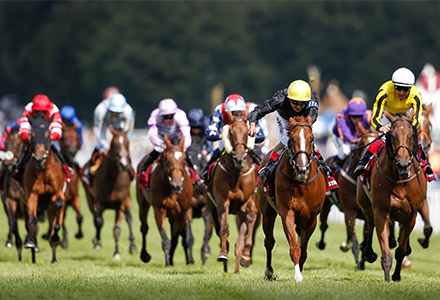
Horse racing in the United Kingdom has a rich history that stretches back centuries. With iconic events such as The Grand National and Royal Ascot, the sport has become entrenched in British culture. Punters place their bets, celebrities flaunt their fashion, and the communal experience draws thousands to the tracks. However, alongside its popularity lies a series of issues that can lead to the unfortunate cancellation of races.
Weather Conditions
One of the primary reasons horse races may be canceled or postponed is the weather. Heavy rain, snow, or extreme temperatures can significantly impact track conditions, making it unsafe for both horses and jockeys. Turf tracks, in particular, are susceptible to waterlogging, which can render them unsuitable for racing. Organizers take the safety of participants seriously, and when conditions are adverse, the decision to cancel is made with the utmost concern for welfare.
Health and Safety Regulations
The health and safety of both humans and equine participants is paramount in the racing industry. If a horse shows signs of illness, injury, or unsuitability for racing, events can be called off. Additionally, if safety standards cannot be guaranteed due to insufficient facilities or lack of medical personnel, authorities may opt to cancel a race. The stringent regulations are in place to protect everyone involved in the sport.
Financial Considerations
The financial implications of horse racing can’t be understated. Sometimes, races may be canceled due to insufficient entries. In the UK, a minimum number of horses must participate for the race to go ahead. If this number is not met, it can lead to the unfortunate cancellation of the event. The economic impact of these cancellations can ripple through the industry, affecting not just the organizers but also trainers, jockeys, and owners.
Inspections and Monitoring
Before each race day, inspections are conducted to assess track conditions and participant readiness. Sometimes, these assessments can lead to conclusions that prompt postponement or cancellation. The integrity of the sport relies on transparency and safety, and officials prioritize these above all else. As such, the inspection process plays a critical role in maintaining the standards expected from UK horse racing.
Impact on Participants and Punters
The cancellation of a race not only affects the attending audience and spectators but has a profound impact on the participants too. Trainers invest significant time and resources into preparing their horses for specific events, and a last-minute cancellation can lead to both emotional frustration and financial losses. For punters, the cancellation of races poses a challenge, disrupting their betting plans and strategies. Thus, it’s crucial for racecourses to communicate effectively with all stakeholders when decisions are made.
Alternative Racing Events
When traditional horse races are canceled, there are often alternative racing events that may still be viewed or bet upon. Virtual horse racing has gained popularity in recent times, allowing punters to experience the thrill of the races, even when real-life events are not taking place. Moreover, many bookmakers offer a range of betting options beyond traditional formats—like greyhound racing or harness racing—which can be appealing during downtimes in horse racing.
Betting in a Changing Landscape
Given the unpredictability of race schedules, many bettors seek flexibility in their options. As mentioned earlier, horse racing betting sites not on GamStop can provide a way for bettors to engage with the sport without the limitations often associated with self-exclusion schemes. Such platforms can assist punters in continuing their betting experience, even when traditional races are not held, thus ensuring they can place wagers on virtual or alternative events.

The Future of UK Horse Racing
As UK horse racing continues to evolve, stakeholders must adapt to the ongoing challenges and opportunities presented by the landscape. Advances in technology can lead to safer racing conditions and better experiences for fans and participants. At the same time, maintaining clear communication and robust contingency plans will be essential in alleviating the disruption caused by cancellations. The industry thrives on its rich heritage, and it remains vital to balance tradition with innovation.
Conclusion
Horse racing in the UK is an exhilarating sport marked by its unpredictability. While the cancellation of races can be disheartening for fans and participants alike, understanding the multiple factors at play helps to contextualize these decisions. As the industry continues to grow and adapt, it remains an integral part of British culture and a thrilling frontier for both horse lovers and bettors.